Can Dental Bonding Be Done in a Single Visit?

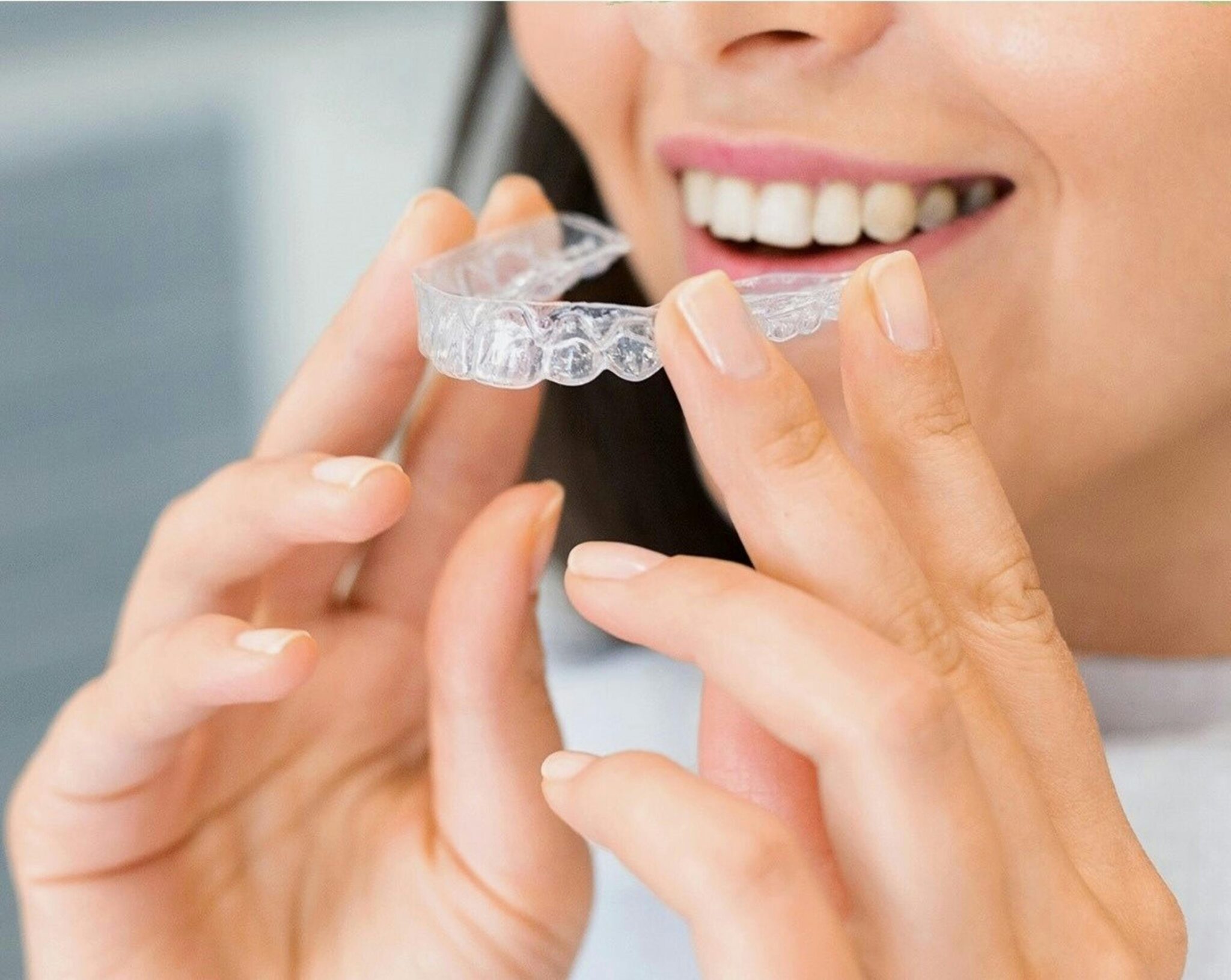
For many patients, the appeal of dental bonding is simple: they want a visible improvement without weeks of treatment, multiple injections, or a lab-made restoration. A chipped front tooth before a wedding, a small gap that has always bothered them in photos, a stained edge that whitening cannot touch, these are exactly the kinds of concerns that often bring people in asking whether bonding can be completed in one appointment.
In many cases, the answer is yes. Dental bonding is one of the few cosmetic procedures that can often be planned and finished in a single visit, sometimes in well under an hour for a small repair. That said, "can be" and "should be" are not always the same thing. Whether same-day bonding is realistic depends on the size of the repair, the bite, the condition of the tooth, the aesthetic goal, and the skill required to make the result look natural rather than obvious.
That distinction matters. Bonding looks deceptively simple from the outside. Patients see a dentist place tooth-colored material, shape it, polish it, and send them home with a better smile. What they do not always see is the judgment involved, especially on front teeth where color, light reflection, edge translucency, and symmetry all show up immediately in daylight and in photographs.
What dental bonding actually is
Dental bonding uses a tooth-colored composite resin, the same general family of material often used for white fillings, to repair or reshape a tooth. The resin is applied directly to the tooth, sculpted by hand, hardened with a curing light, then refined and polished so it blends with the surrounding enamel.
Unlike veneers or crowns, bonding usually does not require sending anything to a dental laboratory. That is the main reason it can often be completed in a single appointment. The material is placed directly in the chair, and the final shape is created in real time.
Patients commonly choose dental bonding for small to moderate cosmetic problems such as chipped edges, worn corners, minor spacing, uneven tooth length, and isolated discoloration. It can also be used to cover exposed root surfaces from gum recession or to alter a tooth's contour if one tooth looks too small or misshapen.
The strongest candidates are usually people who need targeted improvement rather than a complete smile redesign. If the issue is localized and the tooth is otherwise healthy, bonding is often a very efficient solution.
When a single visit is realistic
If the tooth is structurally sound and the change is modest, same-day treatment is often straightforward. A small chip on an incisor can sometimes be repaired in 30 to 45 minutes. Closing a tiny gap between two front teeth may take longer, especially if both teeth need to be adjusted for symmetry, but it is still commonly done in one session. Recontouring one peg-shaped lateral incisor can also be a classic one-visit case.
In day-to-day practice, the easiest same-visit bonding cases tend to share a few features. The tooth is clean and decay-free. The bite does not place heavy pressure on the area to be bonded. The patient is not trying to change ten things at once. And the aesthetic target is clear.
Shade matching also affects timing. Bonding done on a single tooth in the smile line has to blend with neighboring teeth. If someone recently whitened their teeth, or plans to whiten soon, it often makes sense to settle the tooth shade first. Composite resin does not whiten the way natural enamel does, so placing bonding before the final color is established can lead to a mismatch.
That is why some patients hear "yes, but not today." The limitation is not that bonding itself requires multiple appointments. It is that the surrounding treatment plan may.
Situations that may need more than one appointment
The phrase "single visit" can be misleading because it suggests that every type of bonding is equally simple. It is not. A tiny corner chip and a full-width front tooth reshaping are both called bonding, but they demand very different levels of planning and finishing.
Larger cosmetic cases often benefit from a pause between consultation and treatment. If multiple front teeth are involved, a dentist may want photographs, study models, or a wax-up to map the final shape before placing any resin. That extra step can save a patient from a rushed result. It is especially useful when changing tooth proportions, closing wider spaces, or balancing a smile that already has asymmetry.
Functional issues can also push treatment beyond one visit. If a patient grinds heavily, bites edge-to-edge, or has fractured bonding in the same area before, the dentist may need to adjust the bite, recommend a night guard, or discuss stronger options like veneers or crowns. Bonding that looks nice for a week but chips again quickly is not efficient treatment.
Sometimes the tooth itself needs attention first. Active decay, old leaking fillings, gum inflammation, or significant enamel loss can all complicate the plan. If the foundation is unstable, cosmetic work should wait.
What happens during the appointment
A single-visit bonding procedure is usually efficient, but it is not careless or casual. Good bonding relies on careful isolation, precise layering, and patient finishing.
The appointment typically starts with a review of shape and shade. On front teeth, many dentists compare shades before the tooth dries out, because dried enamel can look lighter than it does naturally. If the repair is small, anesthesia may not be necessary. For deeper chips, sensitive areas, or contour changes near the gumline, numbing may be helpful.
The tooth surface is then prepared. In some cases, this means little more than cleaning and lightly roughening the enamel so the bonding agent can grip. In others, especially where an old filling or a rough fracture edge is present, minor reshaping may be needed.
After the bonding agent is applied, the composite resin is placed in increments. This is the artistic part. The dentist is not simply filling a space. They are trying to recreate the anatomy of a natural tooth, including line angles, edge contour, and how the surface catches light. On front teeth, tiny differences in contour can make one tooth look flat, bulky, too square, or slightly twisted even when the color is correct.
Once cured, the material is shaped with fine instruments and polished. This finishing stage is more important than many patients realize. A rough or poorly polished surface can stain sooner, feel unnatural to the tongue, and reflect light differently from the neighboring enamel.
For a very small repair, the entire process can be quick. For multiple teeth in the front of the mouth, a same-day bonding visit can still run two to three hours. It is still one appointment, but not always a short one.
Why some same-day bonding looks great and some does not
Composite resin is technique-sensitive. That is the phrase dentists often use, and it deserves a plain-English translation: the outcome depends heavily on the person placing it.
Good bonding is not just about sticking white material to a tooth. It requires control of moisture, knowledge of tooth anatomy, a good eye for color, and enough patience to shape and polish carefully. Front tooth bonding, in particular, sits in a strange space between restorative dentistry and sculpture. The best work is often the least noticeable.
A patient may compare prices or appointment times between offices and assume the procedure is basically identical everywhere. It is not. One dentist may spend ten extra minutes refining the edge translucency of a central incisor or adjusting the surface luster so it matches the adjacent tooth. That extra time often makes the difference between "the chip is gone" and "I cannot tell which tooth was repaired."
This is one reason some experienced dentists are cautious about promising large cosmetic bonding cases in a rushed single visit. It is not because the material cannot be placed in one day. It is because a thoughtful result may require a consultation first, especially if the patient's expectations are high.
Cases where dental bonding shines
Dental bonding tends to perform best when the change is conservative and the tooth has enough healthy enamel for a strong bond. It is particularly useful for patients who want an improvement without removing much natural tooth structure.
Some of the most satisfying one-visit bonding cases are the simplest. A teenager chips a front tooth on a water bottle. A professional in her thirties wants the edges of two front teeth evened out before new headshots. A patient has one undersized lateral incisor that makes the smile look uneven. These are often excellent bonding cases because the improvement is immediate and the intervention is relatively conservative.
Even adults who have lived with small cosmetic flaws for years are often surprised by how much difference a subtle contour change can make. The most successful cases are not always dramatic. Often, they are the ones where the smile still looks like the patient's own, just more balanced.
Where bonding has limits
Bonding is versatile, but it is not a cure-all. It is generally less durable than porcelain for larger cosmetic changes, and it can stain over time, especially in people who drink a lot of coffee, tea, or red wine, or who smoke. It can also chip if placed on edges that absorb a lot of force.
Patients sometimes ask for bonding because it sounds simpler and less expensive than veneers. That can be true, but the right choice depends on the problem being solved. Bonding is often ideal for small defects. It may be a compromise for major color changes, broad smile makeovers, or teeth that already have extensive wear and breakdown.
This is where practical judgment matters. If a patient has a tiny gap and healthy enamel, bonding may be the perfect one-visit solution. If a patient wants to reshape six front teeth, brighten them significantly, and maintain that look for many years with minimal staining, porcelain may be the stronger long-term choice even though it requires more time and cost.
How long same-day bonding lasts
A well-done bonding repair can last several years. In practice, small cosmetic bonding on front teeth often holds up anywhere from three to ten years, sometimes longer, depending on location, bite forces, oral habits, and maintenance. That range is broad because the material is used in very different ways. A small bonded chip repair on a protected surface can last quite well. A large bonded edge on a patient who grinds at night may need touch-ups sooner.
Durability is also affected by behavior after treatment. Biting fingernails, chewing ice, opening packages with the front teeth, and tearing tape or threads with the teeth are all classic ways to shorten the life of bonding. So is untreated clenching.
If there is one practical point patients remember best, it is this: bonding is repairable. That is one of its strengths. Small chips or stains can often be refreshed without replacing the entire restoration. Porcelain is stronger and more stain-resistant, but direct bonding is often easier to modify.
Recovery and aftercare are usually simple
Most people return to normal activities immediately after dental bonding. If no anesthesia was used, there is typically no downtime at all. If the tooth was numbed, the main caution is to avoid biting the lip or cheek until sensation returns.
The first day or two is mostly about awareness. The tooth may feel slightly different to the tongue at first, especially if the edge shape changed. Mild sensitivity to cold can happen, particularly if the bonded area is near exposed dentin, but it is usually temporary.
It helps to be cautious with strongly pigmented foods and drinks right after placement, especially if the restoration was extensively polished the same day. Composite resin is not as stain-resistant as porcelain or natural enamel, so good hygiene and reasonable habits matter.
Here are a few practical habits that help bonding last:
- Avoid biting hard objects such as ice, pens, or fingernails.
- Use a night guard if you clench or grind during sleep.
- Keep up with professional cleanings so the margins can be checked and polished if needed.
- Mention any roughness or bite changes early, before a small issue turns into a chip.
- If whitening is planned, do that before new visible bonding whenever possible.
Cost, value, and the one-visit appeal
Part of the popularity of Dental Bonding is economic. Same-day treatment saves time away from work, avoids temporary restorations, and usually costs less than porcelain alternatives. For patients with a very specific cosmetic complaint, that efficiency can be hard to beat.
Still, low cost should not be the only lens. Value comes from matching the treatment to the goal. If bonding solves the problem cleanly and conservatively, it is excellent value. If bonding is being used to avoid a more appropriate treatment, it can turn into repeated repairs and frustration.
This is especially true when patients compare online before-and-after images. Photos often show the immediate result, not what happens after three years of coffee, nighttime grinding, and normal wear. An honest conversation about maintenance is part of good treatment planning.
Questions worth asking before booking
Patients who want bonding done in one visit usually benefit from a brief consultation first, even if treatment might happen the same day. That conversation helps confirm that the plan is realistic.
A few questions tend to be especially useful: Can my goal be achieved conservatively with bonding, or would another treatment be more predictable? Will the bonded area be under heavy bite pressure? If the tooth color is likely to change because of whitening, should that happen first? And if the bonding chips or stains later, how is it typically maintained?
Those are not signs of overthinking. They are signs of good planning. Cosmetic dentistry often looks simple only after the hard decisions have already been made.
The short answer, with the real-world caveat
Yes, dental bonding can often be done in a single visit, and that is one of its biggest advantages. For chips, minor gaps, shape corrections, and small https://privatebin.net/?2360b1125ed3b462#CmBwCdFkyzdJ9gxZt2T6An6FWWLwJdxkho9Hcrsq8wnF cosmetic refinements, same-day treatment is common and often very effective. In the right case, it is one of the fastest ways to make a visible improvement to a smile.
But the better answer is more specific. Dental bonding can be done in one visit when the tooth is healthy, the change is appropriately sized, the bite is favorable, and the aesthetic goal is clear. When several teeth are involved, when the bite is risky, or when the result needs careful design, taking more time is often the wiser choice.
Patients usually do best when they think of bonding not as a shortcut, but as a conservative tool. Used well, it can produce a polished, natural result in a single appointment. Used in the wrong case, or done too quickly, it can become the sort of repair that keeps coming back. The difference is not the calendar. It is the planning, the execution, and knowing when same day is appropriate.
Toothworks of Bakersfield, Dentist and Orthodontist
Address: 1030 H St #1, Bakersfield, CA 93304
Phone number: +16613239421
FAQ About Dental Bonding
How long does dental bonding last?
Dental bonding typically lasts between 3 and 10 years (averaging about 5 to 8 years) before it needs a touch-up or replacement. Its lifespan depends heavily on your daily habits, where the bonding is placed in your mouth, and how well you care for your teeth.
How expensive is bonding a tooth?
Dental bonding typically costs between $100 and $600 per tooth, with a national average of about $431 per tooth.
What are the downsides of dental bonding?
Dental bonding has several drawbacks, including lower durability, a shorter lifespan, and a tendency to stain compared to alternatives like porcelain veneers.