The Importance of Timely Gum Disease Treatment


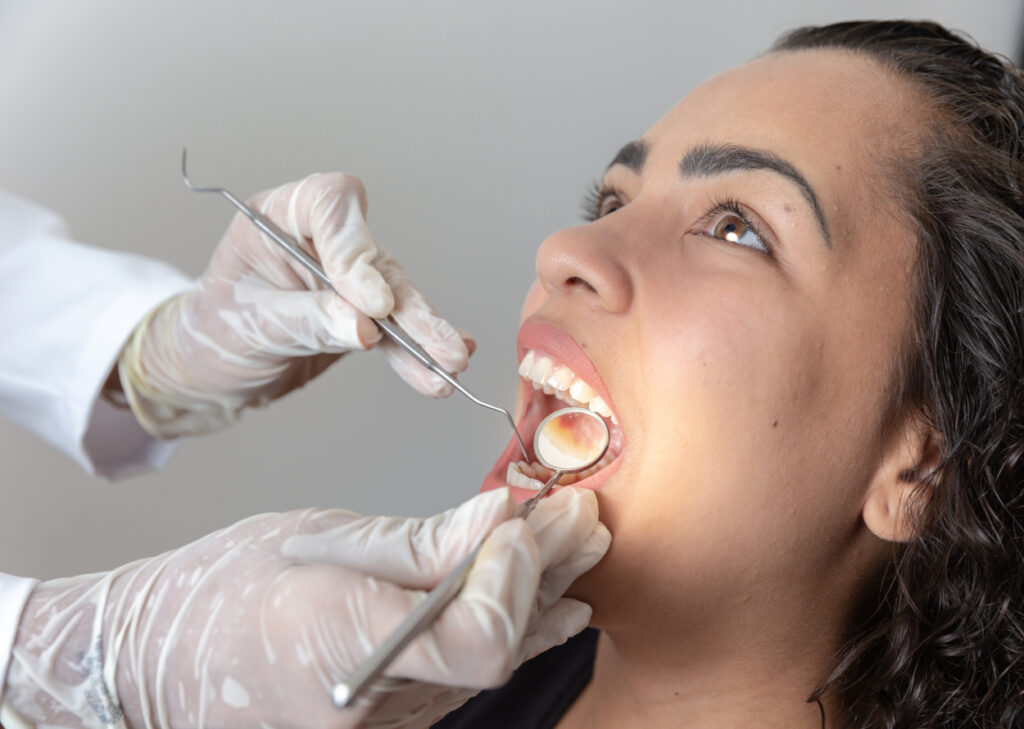
Gums rarely get much attention until something feels wrong. A little bleeding while brushing, mild tenderness near a back tooth, breath that seems harder to freshen, these signs are easy to dismiss. Many people do. In practice, that delay is one of the biggest reasons a manageable gum problem turns into a more serious and expensive one.
Timely gum disease treatment matters because gum disease is not a single event. It is a process. It usually begins quietly, often without dramatic pain, and progresses in stages. Early on, the gums may be inflamed but the supporting bone is still intact. Later, the infection can damage connective tissue, deepen pockets around the teeth, and gradually reduce the bone that holds those teeth in place. Once bone loss occurs, treatment shifts from simple control to long-term management.
That difference matters to patients in very practical ways. Early treatment may mean a professional cleaning, https://manuelsyxe002.talesignal.com/posts/foods-that-help-recovery-after-gum-disease-treatment better home care, and short-term follow-up. Late treatment may involve deep cleanings below the gumline, localized antibiotics, surgery, gum grafting, or even tooth replacement after loss. The gap between those paths is often measured in months of delay.
Why gum disease tends to sneak up on people
One reason people postpone care is that gum disease often does not hurt in its early phase. Cavities can trigger sensitivity. A cracked tooth can create sharp pain. Gum inflammation is usually subtler. Patients often describe it as "just a little bleeding" or "my gums are always a bit puffy." Some assume they are brushing too hard. Others think bleeding is normal, especially if it has happened for years.
It is not normal.
Healthy gums do not routinely bleed when you brush or floss. They may bleed temporarily if someone has neglected flossing and then starts again, but repeated bleeding is still a sign of inflammation that deserves attention. In a dental setting, this is often the first clue that plaque and tartar have been sitting along the gumline long enough to trigger a chronic response.
There is also a psychological side to delay. People worry about cost, fear discomfort, or hope the problem will go away on its own. Some are embarrassed that they have not kept up with cleanings. Others have had no symptoms severe enough to force action. Gum disease benefits from all of those excuses because it progresses in the background.
What actually happens during gum disease
The early stage, gingivitis, is inflammation of the gums caused by plaque buildup. The gums may appear redder than usual, swell slightly, and bleed during brushing or flossing. At this stage, the condition is generally reversible. With proper cleaning and improved oral hygiene, the tissues can return to health.
The concern grows when gingivitis advances to periodontitis. At that point, the inflammation extends deeper. The attachment between the gum and tooth begins to break down. Pockets form. Bacteria settle below the gumline where brushing cannot reach. The body responds with inflammation, and that response, over time, contributes to destruction of the ligament and bone that support the teeth.
This is why timely Gum Disease Treatment is so important. Once the disease has progressed to the structures beneath the gums, the goal changes. Instead of simply reversing inflammation, the dentist or periodontist is trying to stop further destruction, reduce bacterial burden, and preserve as much support as possible.
The phrase "save the tooth" sounds dramatic, but in advanced cases it is exactly the issue. Teeth do not just fall out because of age. More often, they loosen because the structures around them have been compromised over years.
The early warning signs people should take seriously
Patients often assume that if they are not in pain, they are safe. That assumption leads to delays. A better rule is to pay attention to changes in the gums and in the way the mouth feels day to day.
The most important warning signs include:
- Bleeding during brushing or flossing
- Persistent bad breath or a bad taste in the mouth
- Swollen, tender, or receding gums
- Teeth that feel loose or spaces that seem to be changing
- Pain when chewing or sensitivity near the gumline
Any one of these signs can have more than one cause, but none should be ignored. Bleeding and swelling are especially important because they often show up long before more advanced damage becomes obvious.
One detail worth stressing is gum recession. People sometimes treat it as a cosmetic issue because the teeth look longer. In reality, recession can reflect chronic inflammation, traumatic brushing, clenching, thin tissue type, or a combination of factors. If the cause is gum disease, recession can signal that support is already being lost.
What timely treatment changes
The value of early care is not abstract. It changes the biology of the disease and it changes the patient experience.
At the earliest stage, treatment can be straightforward. A professional cleaning removes plaque and tartar from above the gumline. The dental team can identify areas a patient consistently misses, adjust home care tools, and recheck the gums after a few weeks. In many cases, inflammation improves quickly once the bacterial film is disrupted and daily cleaning becomes more effective.
Once periodontal pockets have formed, the approach becomes more involved. Deep cleaning, often called scaling and root planing, removes deposits from below the gumline and smooths root surfaces so the tissue can heal more effectively. Some cases benefit from antimicrobial rinses or localized antibiotics. More advanced sites may need surgical access so the roots can be cleaned thoroughly and bony defects addressed.
The earlier this process starts, the better the odds of stabilizing the condition before major attachment loss occurs.
That is not just about preserving teeth. It affects comfort, chewing, aesthetics, treatment cost, and time in the chair. A patient with mild gingivitis may need one appointment and improved home care. A patient with generalized moderate periodontitis may need several visits, periodic periodontal maintenance every three or four months, and ongoing monitoring for years. Someone with severe disease may face extractions, bone grafting, implants, or removable prosthetics if teeth cannot be saved.
The financial and personal cost of waiting
People often postpone Gum Disease Treatment because they want to avoid spending money now. Unfortunately, delayed care tends to multiply costs rather than reduce them.
A routine cleaning and exam are among the most predictable and manageable dental expenses. Periodontal therapy is more complex. Surgical treatment costs more still. If tooth loss occurs, replacing a single missing tooth with an implant, abutment, and crown can cost several thousand dollars in many markets, sometimes more depending on grafting needs and local fees. A bridge or removable option may cost less, but each has trade-offs in maintenance, function, and impact on neighboring teeth.
There is also the cost that does not appear on a bill. Patients with advanced gum disease often describe avoiding certain foods because chewing feels uncomfortable. Some become self-conscious about breath or the appearance of receding gums. Others are frustrated by repeated flare-ups, food trapping, or the feeling that their teeth are shifting. These quality-of-life issues build slowly, which makes them easy to underestimate until they affect daily routines.
One of the harder conversations in dental care happens when a patient says, "I wish I had handled this sooner." That sentence usually follows a diagnosis that would have been far easier to manage a year or two earlier.
How gum disease affects more than the mouth
Dentists are careful not to overstate oral-systemic links, but it is reasonable and well accepted to say that oral health and overall health influence each other. Gum disease is a chronic inflammatory condition. In people with certain medical issues, especially diabetes, the relationship can be significant.
Poorly controlled diabetes can increase the risk and severity of periodontal disease. Periodontal inflammation can also make blood sugar control more difficult. That two-way interaction is clinically important. It means that untreated gum disease is not just a local issue for diabetic patients, and medical management can be harder if the mouth remains inflamed.
Smoking is another major factor. Smokers often have more severe periodontal destruction and may show fewer obvious signs such as bleeding, which can create a false sense of security. Healing after treatment is also less predictable. Vaping may not carry the same evidence base as traditional smoking in every respect, but nicotine exposure still raises concerns for gum tissue health and blood flow.
Pregnancy, certain medications, immune conditions, and dry mouth can also influence the gums. Some medications enlarge gum tissue or reduce saliva, which changes the oral environment and makes plaque control harder. None of this means disease is inevitable. It does mean risk needs to be assessed in context.
What Gum Disease Treatment usually involves
A lot of fear comes from not knowing what treatment means. Patients hear the phrase and imagine surgery right away. In reality, treatment is matched to severity.
Most care falls into a sequence like this:
- Diagnosis through exam, pocket measurements, and often dental X-rays
- Removal of plaque and tartar, either with routine cleaning or deeper scaling and root planing
- Reassessment after healing to see which areas improved and which remain active
- Further therapy for persistent pockets, which may include localized medication or periodontal surgery
- Ongoing maintenance visits, often more frequently than standard cleanings
The key point is that treatment is not one procedure. It is a controlled process. Diagnosis matters because not all gum irritation is periodontitis. Some cases involve gingivitis, trauma from brushing, grinding, clenching, bite problems, or food impaction around a filling. Good care depends on identifying the real driver.
Reevaluation also matters. After deep cleaning, some pockets shrink nicely and become easier to maintain. Others do not. A 4 millimeter pocket with no bleeding is very different from a 7 millimeter pocket that still bleeds and traps bacteria. Timely treatment allows those distinctions to be made before deterioration accelerates.
Why home care alone is not always enough
It is common for motivated patients to improve brushing and flossing once they realize their gums are inflamed. That is excellent, but it has limits.
When tartar has hardened beneath the gumline, no toothbrush or floss can remove it. That deposit creates a rough surface where bacteria can continue to accumulate. If periodontal pockets have deepened, the anatomy itself becomes harder to clean at home. Furcations, where the roots of molars divide, can become especially difficult for patients to manage even with good tools and technique.
Home care is essential, but it works best as part of professional treatment, not as a substitute for it.
The best routines are often simpler than people expect. A soft-bristled electric toothbrush used carefully along the gumline usually outperforms aggressive manual scrubbing. Floss helps when contacts are tight and technique is good. Interdental brushes can be more effective in open spaces or around recession. Water flossers are helpful for some patients, especially those with bridges, orthodontic appliances, or reduced dexterity. Antimicrobial rinses may support healing in selected cases, but they do not replace mechanical plaque removal.
The role of maintenance after active treatment
One of the biggest misconceptions about periodontal care is that once treatment is finished, the problem is gone for good. That can be true for gingivitis. It is not usually how established periodontitis behaves.
Once a patient has had attachment loss, the mouth remains at higher risk. The bacteria can repopulate. Pockets can deepen again if maintenance lapses. This is why periodontal maintenance visits are often scheduled every three or four months rather than every six. That interval is not arbitrary. It reflects how quickly bacterial communities can rebound and how important regular disruption is for susceptible patients.
Maintenance appointments are also when subtle changes are caught early. A site that starts bleeding again, a pocket that deepens by a millimeter or two, a molar furcation that becomes harder to access, these are manageable findings if they are noticed promptly. Left alone, they become larger problems.
From a patient perspective, maintenance is where long-term success is won. The active treatment phase gets attention because it feels significant. The quieter routine that follows is what protects the result.
Special cases that require faster action
Not every case of gum disease moves slowly. Some people, including younger adults, can show surprisingly rapid destruction. Genetic susceptibility, smoking, uncontrolled diabetes, immune problems, and inconsistent dental care can all play a role. I have seen patients in their thirties with more bone loss than others develop in decades. The common thread is not always neglect. Sometimes it is biology plus delayed detection.
Another high-risk situation is when gum disease affects teeth that are already structurally compromised. A heavily restored tooth, a molar with a root fracture risk, or a tooth supporting a bridge has less room for periodontal decline. A few millimeters of extra bone loss in the wrong location can change a tooth from maintainable to hopeless.
There is also the patient who has "just one sore spot" that keeps flaring up. Localized periodontal abscesses can occur around deep pockets, impacted food, calculus deposits, or poorly contoured restorations. People sometimes treat these episodes as isolated annoyances because the swelling drains and then settles. Repeated abscesses are rarely random. They are often a sign that deeper disease is active in that area.
The emotional side of treatment delays
Gum disease has an emotional layer that deserves acknowledgment. Many patients carry guilt into the dental chair. They assume they will be judged for bleeding gums, tartar buildup, or missed appointments. That shame leads some to stay away even longer, which predictably worsens the condition.
Good periodontal care should be direct, not punitive. The purpose of diagnosis is to create a plan, not to embarrass the patient. In real practice, the best outcomes usually come from a straightforward conversation: what stage the disease is at, what can still be saved, what treatment involves, and what habits will make the biggest difference. Most patients respond well when the discussion is honest and practical.
They also appreciate clarity about trade-offs. Not every tooth with severe periodontal loss should be kept at all costs. Sometimes preserving a questionable tooth means repeated deep cleanings, surgery, splinting, and ongoing instability. In certain cases, extraction and replacement may offer a more predictable long-term result. Timely Gum Disease Treatment expands the number of conservative options. Delay narrows them.
What patients can do right now
If your gums bleed regularly, if your breath stays unpleasant despite brushing, or if your teeth feel different when you bite, book an exam rather than trying to guess. A proper periodontal assessment is not complicated, and the information it provides is valuable even if the news is mild.
If you have not had a professional cleaning in more than a year, it is worth scheduling one even if nothing hurts. That simple step catches many cases at the gingivitis stage, when reversal is realistic. If you have already been told you need periodontal maintenance, keep those intervals. They are part of treatment, not an optional add-on.
For patients with diabetes, smoking history, dry mouth, or a family pattern of early tooth loss, vigilance matters even more. Those risk factors do not guarantee severe disease, but they do justify closer attention.
The central truth is plain: gum disease is easier to stop than to rebuild from. Dentists can reduce infection, slow progression, and in some cases regenerate lost support under favorable conditions. What they cannot do is make years of neglect irrelevant. Biology keeps score.
Timely care protects more than gums. It protects the bone beneath them, the stability of the teeth above them, the comfort of eating, the appearance of the smile, and the size of future dental bills. That is why early action is not just advisable. It is often the difference between routine care and major reconstruction.
Avra Dental
Address: 1708 S Victoria Ave B, Ventura, CA 93003
Phone number: +18057653206
FAQ About Gum Disease Treatment
Can I make my gums healthy again?
Yes, you can make early-stage gum disease completely healthy again, but advanced damage requires professional care to manage.
Can you cure gum disease?
You can cure early-stage gum disease, but advanced gum disease cannot be fully cured.
Can I live a normal life with gum disease?
Yes, you can live a normal life with gum disease, but it requires active, lifelong management to control the condition and prevent serious complications